
How to Personalize Your Apparel with Sew On Patches? A Comprehensive Guide
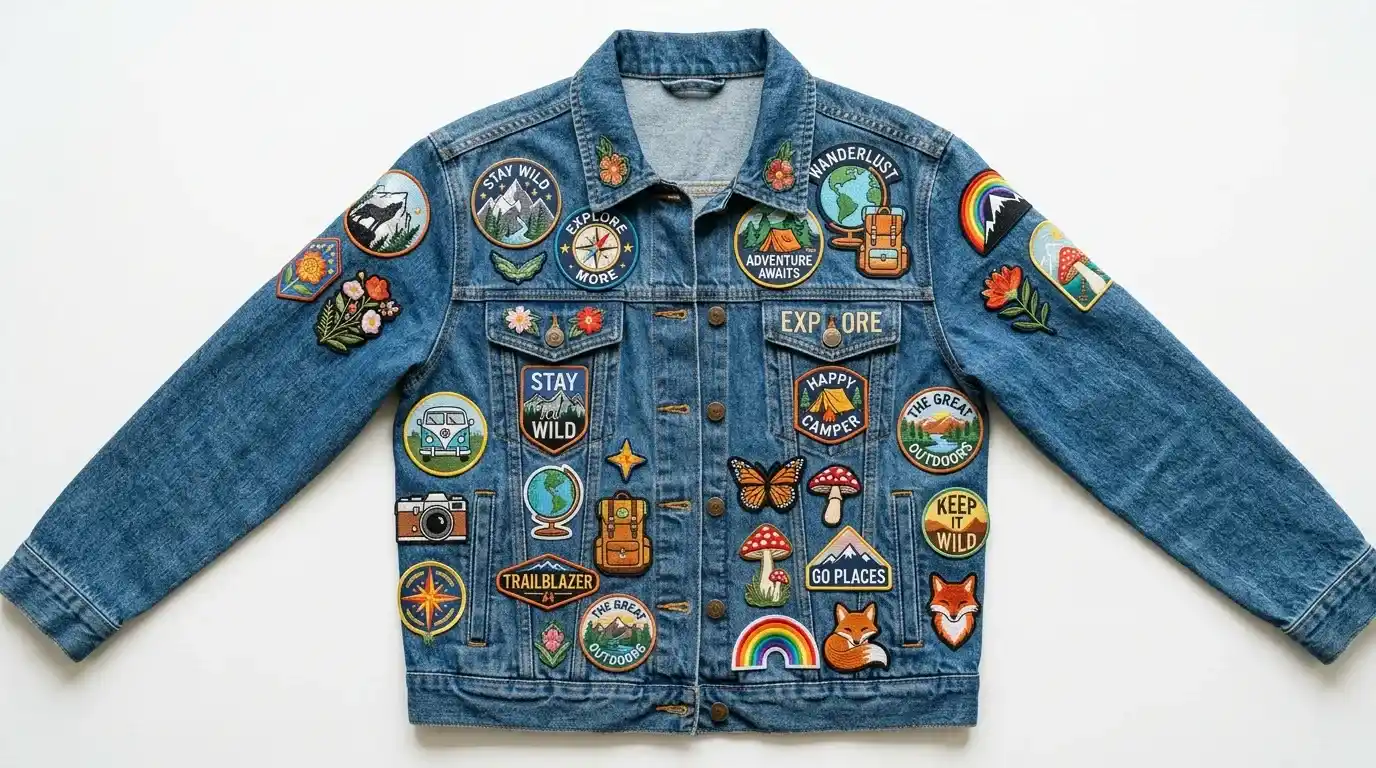
We all love personalised apparel, don’t we? We can customise our clothing using printing, tie-dyeing, and other customisation methods. However, these methods are not durable and can fade easily after a few washes.
This is when sew on patches come in! These patches are not only durable but also provide an aesthetic texture to give a tactile feel. You can use these durable hand-stitched patches for uniforms, jackets, jeans, and more.
If you know nothing about sew on patches, then you don’t need to worry because we are here to help you! From an overview of sew on patches to step-by-step application, we’ll guide you through everything. Let’s begin!
What are Sew On Patches?
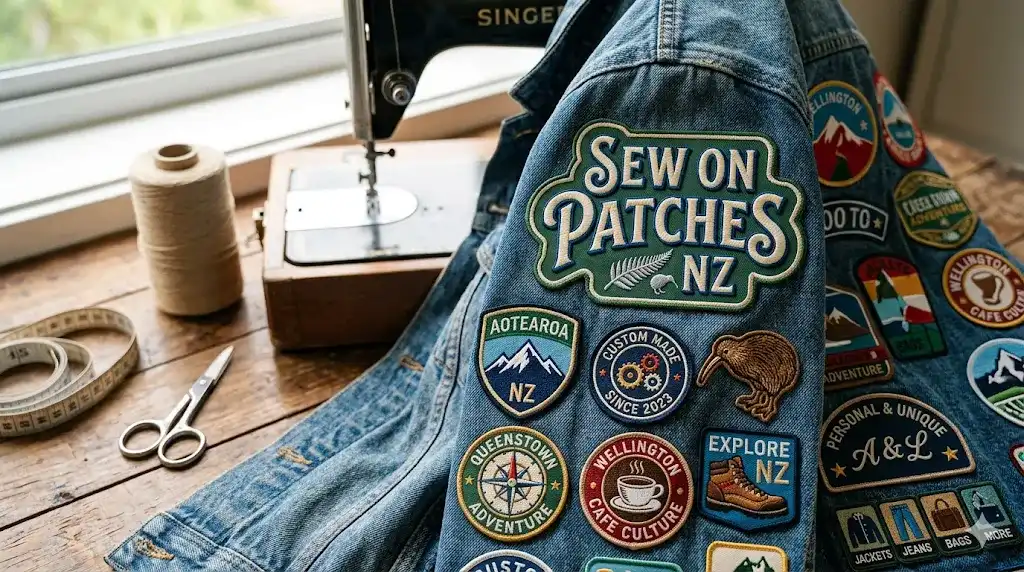
Sew on patches are actually a type of custom patch. Unlike Custom Velcro Patches, which use a hook and loop system and are reusable, sew on patches are stitched directly onto the fabric using thread and needle. Also, sew on patches are not reusable.
These patches are highly durable and provide a tactile, premium feel. That is one of the main reasons why there is widespread acclaim for these patches in New Zealand. In fact, many people order personalised patches online NZ to customise their apparel. Peers usually use these Sew On Patches for Jackets NZ. Aside from jackets, these patches can also be used for uniforms, jeans, and more
What are the Key Properties of Sew On Patches?
One of the major reasons why sew on patches are loved by people in New Zealand is due to their longevity. This is also why these patches are used on daily wear apparel.
Let’s take a look at the key properties of sew on patches.
Maximum Durability:
First of all, sew on patches are a top choice due to their high durability. These patches are stitched directly onto the fabric. This offers permanence and endures frequent machine washing.
In addition to this, these patches can be attached to daily wear apparel as they can withstand wear and tear without peeling or lifting.
Fabric Versatility:
Besides that, iron on patches cannot be attached to leather or vinyl. This is because these fabrics are heat-sensitive. However, this is not the case for sew on patches. They can be stitched to any type of fabric, whether it’s heat-sensitive or not.
Professional Finish:
Whether these are Embroidered Patches or woven patches, they must have proper finishing when stitched to the fabric. As they do not have glue on their back, there is no glue residue, and the back remains clean, providing a professional finish.
Removability:
You might be thinking that sew on patches can’t be removed because their stitches are highly secured. Well, it is not true. You can easily remove these patches by carefully unstitching them. This means that you stitch the same sew on patch on other apparel and replace it with a new one.
A Step-by-Step Guide to the Application of Sew On Patches
But the main question is, how can you apply these sew on patches?
This is a step-by-step guide to help you understand the application of sew on patches.
1. Gather Your Material:
To begin with, gather these materials:
- Custom patch
- Apparel (jeans, jackets, and more)
- Sewing needle (hand or heavy-duty machine)
- Polyester or heavy-duty thread
- Pins or wash away tape
- Scissors
2. Secure Placement:
Place your patch where you want to stitch it. Use pins or wash-away tape to secure its placement and prevent it from moving when sewing.
3. Choose a Sewing Method:
Now comes the main part that is choosing a sewing method.
Hand Sewing:
To sew by hand, you must start by taking a thread and needle and tying a knot at the end. Now, start sewing from inside to hide the knot. Use a whip or running stitch to secure the edges and space your stitches evenly. Most importantly, ensure that the stitches are tight enough to keep the patch flat.
Machine Sewing:
If you are using a sewing machine, you must firts prepare the machine. Thread your machine with thread in both the top and the bobbin. Decide whether to use straight stitch or zigzag stitch.
Then, sew around the edges and backstitch at the beginning and end. This will lock the thread in place.
4. Trim Any Excess:
Finally, trim off any excess thread to give your patch a clean look.
What to Look For in Custom Sew On Patches Maker
Many brands in New Zealand often use wholesale woven clothing labels for their brand identification, embedding text, logos, and more. However, many brands also use sew on patches for logos and text on shirts, jackets, jeans, and more.
However, when you are looking for a sew on badge maker for clubs and schools NZ, you need to consider a few factors to choose the right one.
Search Online:
First of all, you must search for ‘best sew on patches maker New Zealand’ online. This will help you explore the top-rated sew on patch makers present in New Zealand.
Patch Maker’s Expertise:
You must ensure that the patch maker has proven expertise in the industry. You can know this by taking a look at their custom sew on patches NZ samples and testimonials.
Material Quality and Durability:
Also, check the quality and durability of the patches before placing bulk sew on patch orders in New Zealand.
Make sure that the maker uses high-density stitching and weather-resistant threads. If the maker uses rayon or polyester thread, then the patches will not fade or tear, even after multiple washes.
Pricing:
In addition to this, you must first do some research on the pricing of sew on patches in New Zealand. This will help you get an idea of the pricing, enabling you to choose the right one.
Turnaround Time:
Besides, you must also consider the turnaround time from your desired patch maker. Ensure that they guarantee on-time deliveries of their items.
Frequently Asked Questions
How do sew on patches work?
Ans. Sew on patches work by securing the patch to the fabric using thread and a needle. They do not have an adhesive backing, which makes them highly durable.
Is it better to iron on or sew on patches?
Ans. Choosing between the two depends on the patch type and your personal preferences. However, for delicate fabrics and long-term durability, sewing might be a better choice. On the other hand, iron on patches are quick and easier for sturdy apparel.
How to apply a sew on patch by hand?
Ans. To apply a sew on patch by hand, you need to place the patch on the fabric. Then, take a thread and needle, tie a knot at the end, and stitch around the edges using a running or whip stitch. Finally, secure the thread on the underside and trim any excess thread.
How to find the best sew on patches maker New Zealand?
Ans. To find the finest and highly reputable sew on patches maker in New Zealand, you can search for it on the internet. Also, consider the following:
- Patch maker’s expertise
- Samples and testimonials
- Pricing
- Turnaround time
All in All!
Sew on patches are decorative badges that are stitched directly onto the fabric. These patches are a more durable option than iron on patches, as they can withstand frequent washes.
In addition to this, these patches can be stitched on any type of fabric. Also, sew on patches have a professional finish and can be removed easily.
These patches are quite popular in New Zealand. You can find the sew on badge maker for clubs and schools NZ easily by searching online. However, you must consider their expertise, material quality and durability, pricing, and turnaround time.

Specializing in iron patches content, I write blogs and tutorials that inspire creativity and guide readers through design, production, and customization. My goal is to make patch-making approachable for hobbyists and small businesses alike.